Published
uPVC: The Default, and Usually the Right Call
uPVC is widely used in Irish homes and needs no painting. Compare U-values and written quotes for each material.
What fails is rarely the frame. It is the hardware: handles, hinges and the multipoint lock. Those are replaceable, which is why a twenty year old uPVC window is often worth servicing rather than replacing.
The objection to uPVC is how it looks on an older house. Frame sections are chunkier than timber, so a Victorian sash replaced in standard uPVC rarely looks right.
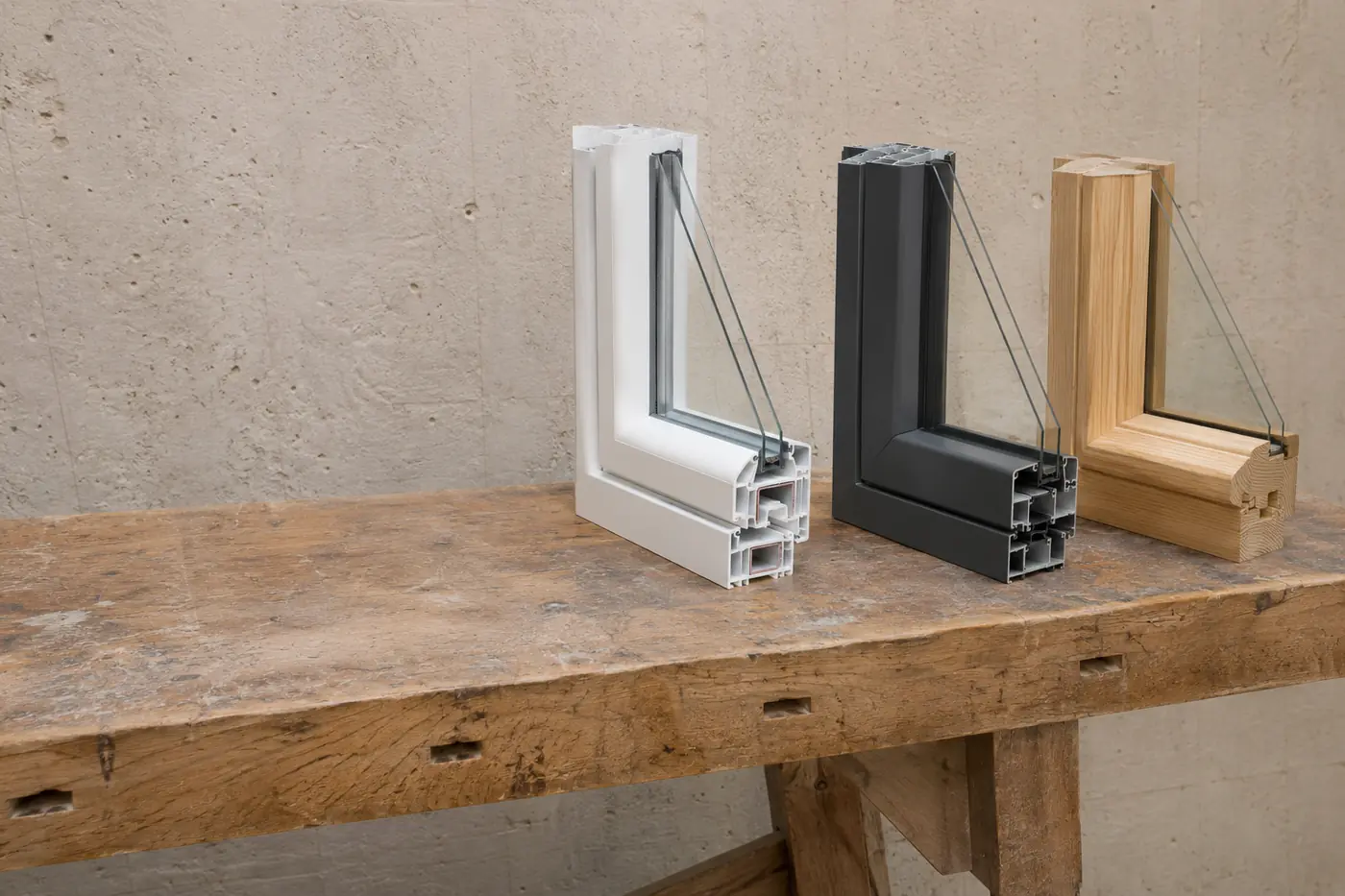
Not all uPVC is the same, and the difference is inside the frame where you cannot see it. Profiles are described by the number of internal chambers, and more chambers generally means better insulation and a stiffer frame. Larger openings also need steel or composite reinforcement inside the profile. On a wide patio door or a tall gable window, that reinforcement is what stops the frame bowing over time, and it is a legitimate reason for one uPVC quote to be dearer than another.
Colour is worth thinking about before you order rather than after. Colour can affect the price, so ask for the cost of your chosen finish on the quote. Foiled finishes are laminated onto the profile. Ask what the guarantee says about colour fade specifically.
Aluclad: Timber Inside, Aluminium Outside
Aluclad gives you a timber frame indoors and an aluminium skin facing the weather. You get the warmth and the look of timber inside, and a factory finish outside that needs no painting.
It usually costs more than uPVC, and it is often chosen for exposed sites or where slim frames matter.
The part that ages is the timber inside, which is entirely within your control.
The sightline argument is the one most people underrate. Because the structural work is done by the timber, an aluclad frame can be slimmer than a uPVC one for the same opening, which means more glass and more daylight. On a room with one window that difference is noticeable. On a house where you are replacing everything, it changes how the elevation reads from the road.
The trade off is that aluclad is genuinely a long term purchase and repairs are less casual. A damaged uPVC sash can often be swapped from stock. An aluclad unit in a specific powder coated colour is a made to order item, so the lead time on a repair years later is longer. That is an argument for choosing a mainstream colour rather than an unusual one.
Timber: Right for Period Houses, and a Commitment
Timber is the correct material for a protected structure or a house in a conservation area, and often the only one the local authority will accept. Slim sections and true sash proportions are things uPVC cannot really imitate.
It needs painting every few years. Skip that and the frame goes soft at the sill, which is the single most common repair on older Irish houses.
Modern factory finished timber is a different product to what was fitted fifty years ago. Engineered sections are laminated rather than solid, which makes them far more stable through the wet and dry cycles an Irish winter puts them through, and factory applied coatings last considerably longer than a brush finish applied on site in changeable weather.
The maintenance interval depends heavily on where the house is. A sheltered inland elevation might go the better part of a decade. A west facing wall in Kerry or Galway taking salt and driving rain will want attention far sooner. Ask the contractor what interval they expect for your elevation specifically, and treat a vague answer as a bad sign.
Timber also carries a repair advantage that neither of the others has. A rotted section of a timber sash can be cut out and spliced by somebody who knows how. A failed uPVC frame is a replacement. On a period house where the windows are part of what the house is, that matters.
What the Glazing Unit Does, Regardless of Frame
The frame material gets the attention and the sealed unit does most of the work. Two houses with the same uPVC profile can perform very differently depending on what is in the glass.
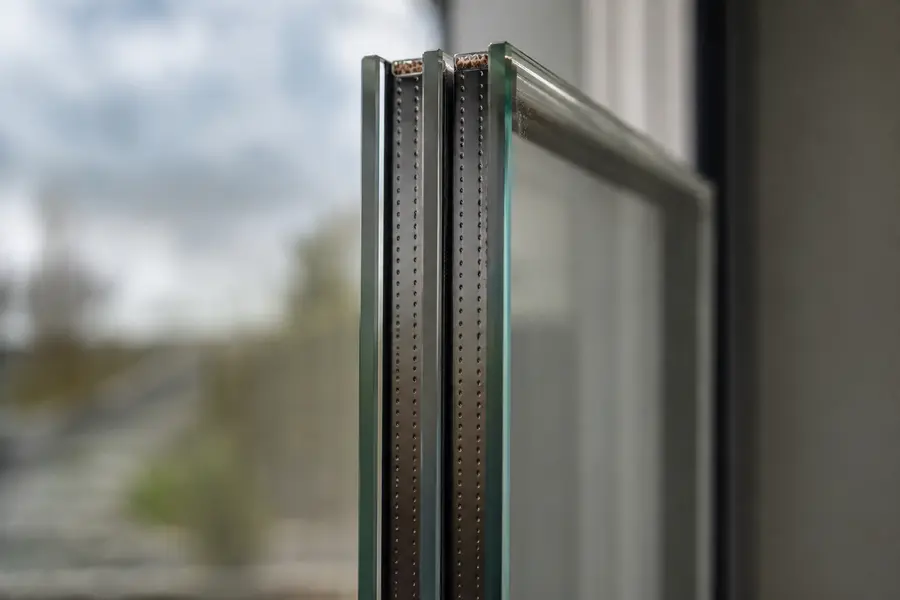
A modern unit has a low emissivity coating on one internal face, which reflects heat back into the room, and an inert gas fill between the panes. It also has a spacer bar holding the panes apart at the edge. Older aluminium spacers conduct heat straight across that edge, which is why condensation forms in the corners of a pane first. A warm edge spacer in a composite material reduces that, and on a house with a condensation problem it is a more useful upgrade than another pane of glass.
Ask for the U-value of the whole window rather than the glass alone. The glass figure always looks better because it ignores the frame, and the frame is a significant part of the opening.
Where the Building Regulations require toughened or laminated glass, that is not optional and it is not a sales upsell. Low level panes, glazing beside doors and anything near a stairs are the places it is commonly needed, so check the current requirements in Technical Guidance Document Part N.
Which One for an Exposed Site?
On the Atlantic coast, from Donegal down through Mayo, Galway, Clare and Kerry, the deciding factor is not the frame material but the hardware and the perimeter seal. Salt corrodes handles and hinges years ahead of schedule.
Ask installers which frame and fittings suit an exposed coastal site, including marine grade fittings.
Wind driven rain is a different test to rain. It arrives horizontally and under pressure, and it finds any gap in a gasket or any point where the perimeter seal was rushed. This is why the same window can be watertight in a sheltered Kildare estate and leak on a Sligo headland. The product did not change; the test did.
Damp is a separate problem from wind, and the wet inland counties have it without the storms. In Leitrim and Roscommon the issue is persistent moisture rather than pressure, so ventilation and the detail at the reveal matter more than the wind rating of the frame. Sealing a house tighter without giving the moisture somewhere to go moves the problem rather than solving it.
If you are unsure which of these describes your house, the practical answer is to ask two or three contractors who actually work in your area. Every county has its own page listing the contractors registered at an address there, and somebody who fits windows in your weather every week will have a firmer view than any general guide.
Matching Materials Across One House
Mixing materials is a style choice, and it is worth asking for quotes to see whether it saves money.
A common and sensible compromise is aluclad on the weather facing side and uPVC on the sheltered side, chosen in the same colour and a similar sightline. From the road nobody reads the difference, and the money goes where the weather actually is.
What does not work is matching by eye across a gap of years. Profiles are discontinued and foil colours are reformulated, so if a phased job is the plan, say so at the first survey and ask the contractor to record exactly what was fitted.
The other thing worth deciding early is the front door, because a door in a different material and a slightly different shade of the same colour is more noticeable than any window mismatch. It sits at eye level and people look straight at it.