Published
What Moves the Price More Than the Brand Does
The number and type of openings you have affects the price, including how many of them open. Ask each installer how they count them, including any bay windows.
After that it is the material. uPVC is widely used in Irish housing. Aluclad is timber inside with an aluminium skin outside, and timber needs painting. Prices and lifespans vary by product and supplier, so compare written quotes for each material.
Then it is the making good. A cheap quote very often stops at the frame, which leaves you with the plastering inside, the render outside and a skip in the driveway. Ask exactly what is included before you compare anything.
Access is the fourth factor and the one most often missing from a figure given over the phone. A ground floor window opening onto a driveway is a straightforward lift. The same window on a second floor gable above a conservatory roof needs staging or a platform, and that can affect the price. Confirm it is covered in the quote.
Glass specification moves the total less than most people expect on a straightforward house and more than they expect on an awkward one. Building regulations require toughened or laminated glass in specific locations, including low level panes, glazing in and beside doors, and anything near a stairs. Those panes cost more, and a contractor who has not walked the house cannot know how many of your openings fall into that category.
Indicative Prices by Material
These are ranges rather than quotes, and they assume a standard three bed semi with eight to twelve openings, fitted and made good. Access, sizes and county all move them.
A full house in uPVC generally runs into the several thousands. The same house in aluclad runs considerably higher again. Timber sash windows in a period property are usually priced individually rather than as a house, because no two openings are the same.
Smaller jobs are a different market entirely. A single misted sealed unit swap or a handle or hinge repair may cost less than a new window.
Hardware is the quiet line item. Handles, hinges, restrictors and the locking mechanism are specified separately from the frame, and the gap between builder standard and a corrosion resistant grade is real money across a full house. On an exposed coastal site that is money worth spending. Ten miles inland it usually is not.
Colour is the other one. White uPVC is the volume product and priced accordingly. Foiled finishes carry a premium and a longer lead time, because they are not stocked in the same way. Anthracite grey in particular has gone from a special order to a default request without becoming any cheaper to produce.
Why the Same Window Costs More in Some Counties
A window quote is not a national price list. Two things move it locally: how far the contractor is travelling, and what the weather does to the building once the frame is in.
On the Atlantic seaboard the specification itself changes. Contractors in Donegal, Mayo and Galway are pricing for sustained wind loading and horizontal rain, which pushes them toward aluclad frames, heavier gaskets and hardware that will not seize. In Clare and Sligo salt-laden westerlies strip coatings and corrode ironmongery years ahead of schedule, so the cheapest handle on the list is a false economy rather than a preference.
Inland the sum is different. In Kildare and Meath units generally reach the end of their service life rather than being beaten out of it, so a mid specification uPVC frame is usually the sensible buy and the money is better spent on the fitting and the making good than on the frame itself. In Leitrim and Longford the enemy is persistent damp rather than storm, which puts the emphasis on the perimeter seal and on ventilation rather than on wind rating.
Travel may affect availability where the register is thin, because a county with only a handful of registered contractors may be served by somebody based further away. It is worth seeing who is actually registered at an address in your county and asking each one whether they cover your area.
What a Proper Quote Itemises
A quote you can compare has line items rather than a single figure at the bottom of a page.
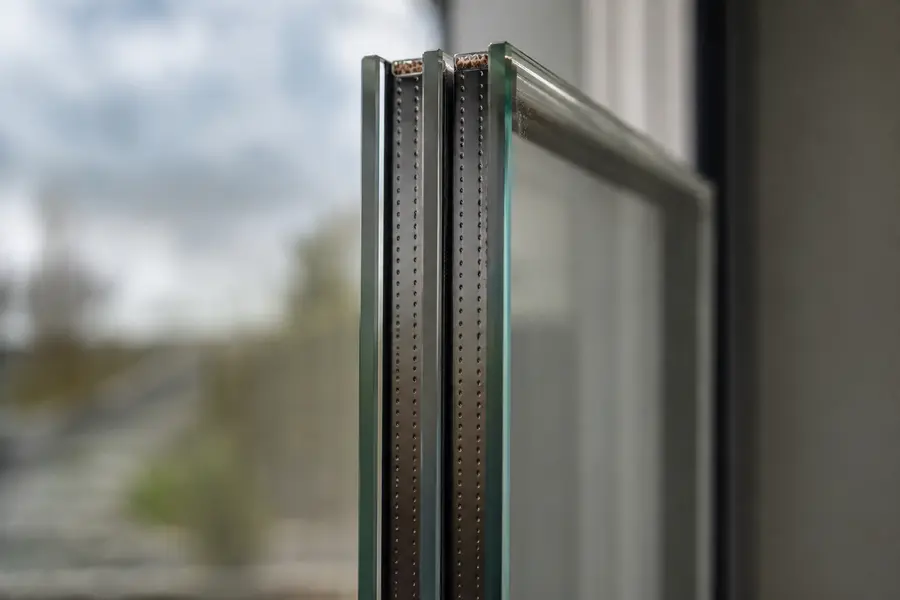
At minimum it names the number of openings and what each one is: fixed, casement, tilt and turn, sash. It states the frame material and the finish inside and out, because those can differ. It states the glazing make up, the spacer type, and which panes are toughened or laminated.
It says who removes the old frames and who takes them away. It says what making good is included, in plaster inside and in render or sills outside. And it carries a lead time measured from the survey rather than from the deposit, because those are rarely the same date.
If a quote is one number on headed paper, ask for it broken down. A contractor who has priced the job properly already has that detail, because they needed it to arrive at the number in the first place. Being asked for it is not an imposition.
Where a Cheap Quote Hides the Money
The gap between two quotes for the same house is usually not profiteering. It is scope.
Making good is the biggest single difference. Taking a frame out disturbs plaster inside and render outside, and whether putting that right sits inside the price or outside it can account for a large part of the gap.
Disposal is the second. Old frames and sealed units are heavy and they do not go in a household bin. Either the contractor takes them or you are hiring a skip, and only one of those two possibilities is usually written down.
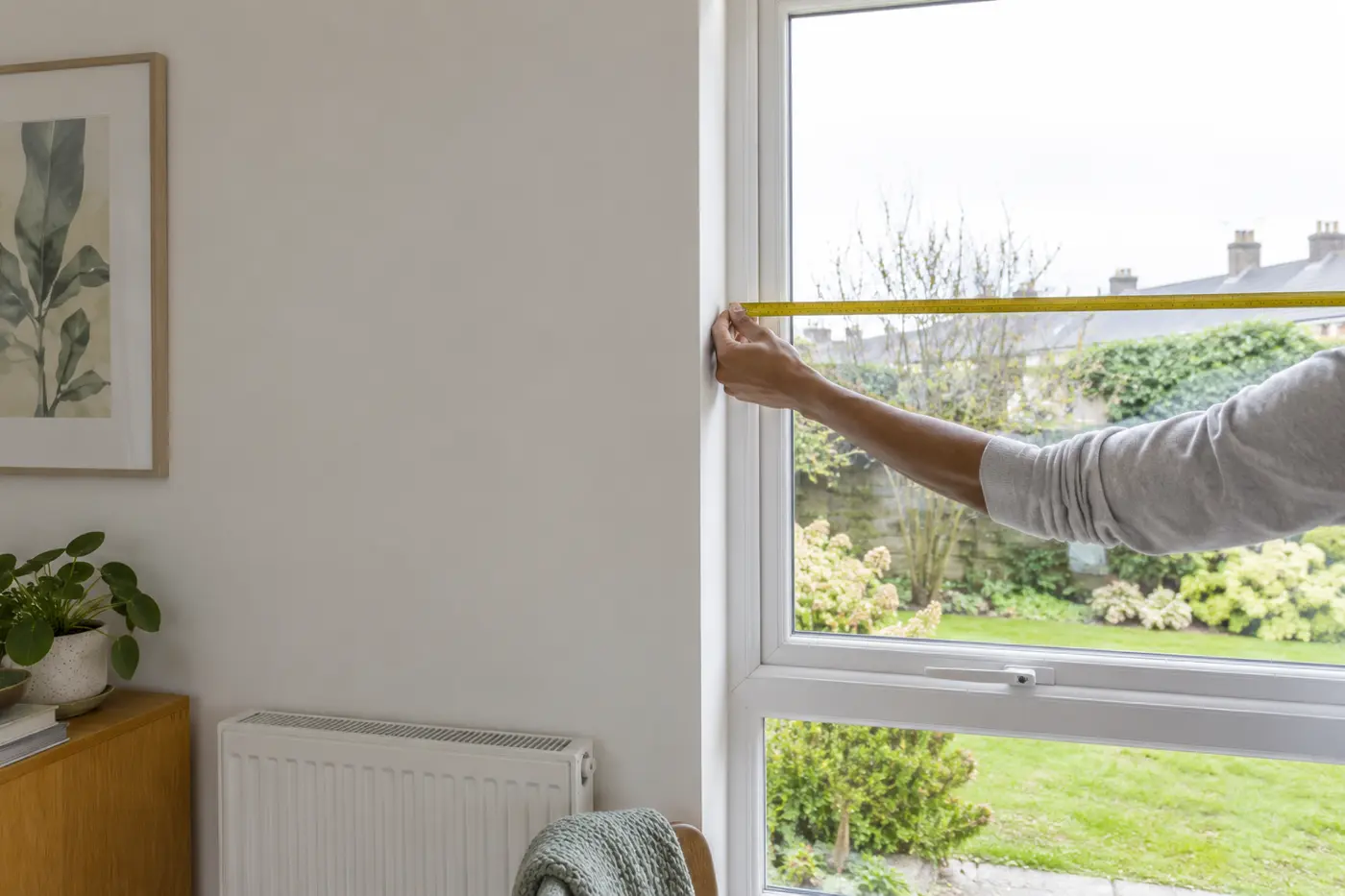
Then there is the survey. A price given over the phone from a window count you did yourself is a guess, and it will be revised. It will be revised upward, because nobody opens up a reveal, finds a rotten lintel and reduces the figure.
Deposits are worth reading closely. A large payment requested before anyone has measured is a different proposition to a staged payment after a survey, and the second is the normal shape of made to measure work.
How to Compare Two Window Quotes
Put both quotes side by side and check they are pricing the same job. Count the openings on each. Check whether both include removing and disposing of the old frames. Check whether both include making good the plaster inside and the render outside.
Then check the glazing spec. A U-value is worth asking for, but do not buy on it alone: a slightly better pane in a badly fitted frame performs worse than a modest pane sealed properly.
Check the lead time and what happens if the survey finds something. Made to measure frames take six to twelve weeks, and a quote that does not mention a survey is a guess.
Then ask both for two addresses locally where they did the same work in the last year or two, and go and look at the outside of them. Ten minutes in the car tells you more about how somebody finishes a joint than any brochure will.
Doing the House in Stages
Not everybody replaces a whole house at once, and phasing the work is reasonable as long as the order is right.
The worst elevation first is the usual advice, and on an exposed site that is whichever one takes the prevailing wind and rain. Doing half of every room instead leaves you with a house that is neither warmer nor finished.
Say at the survey that it is a phased job rather than mentioning it afterward. It changes how the contractor specifies, because matching a frame colour and profile in two years is far easier when the first phase was chosen with that in mind. Profiles are discontinued and foil colours are reformulated more often than people expect.
Be aware that phasing may add cost because of repeat surveys, deliveries and fitting visits. Ask for quotes for both a phased job and the whole house.